Rediscovering Pinellas Park: Tampa’s Hidden Homestead Haven
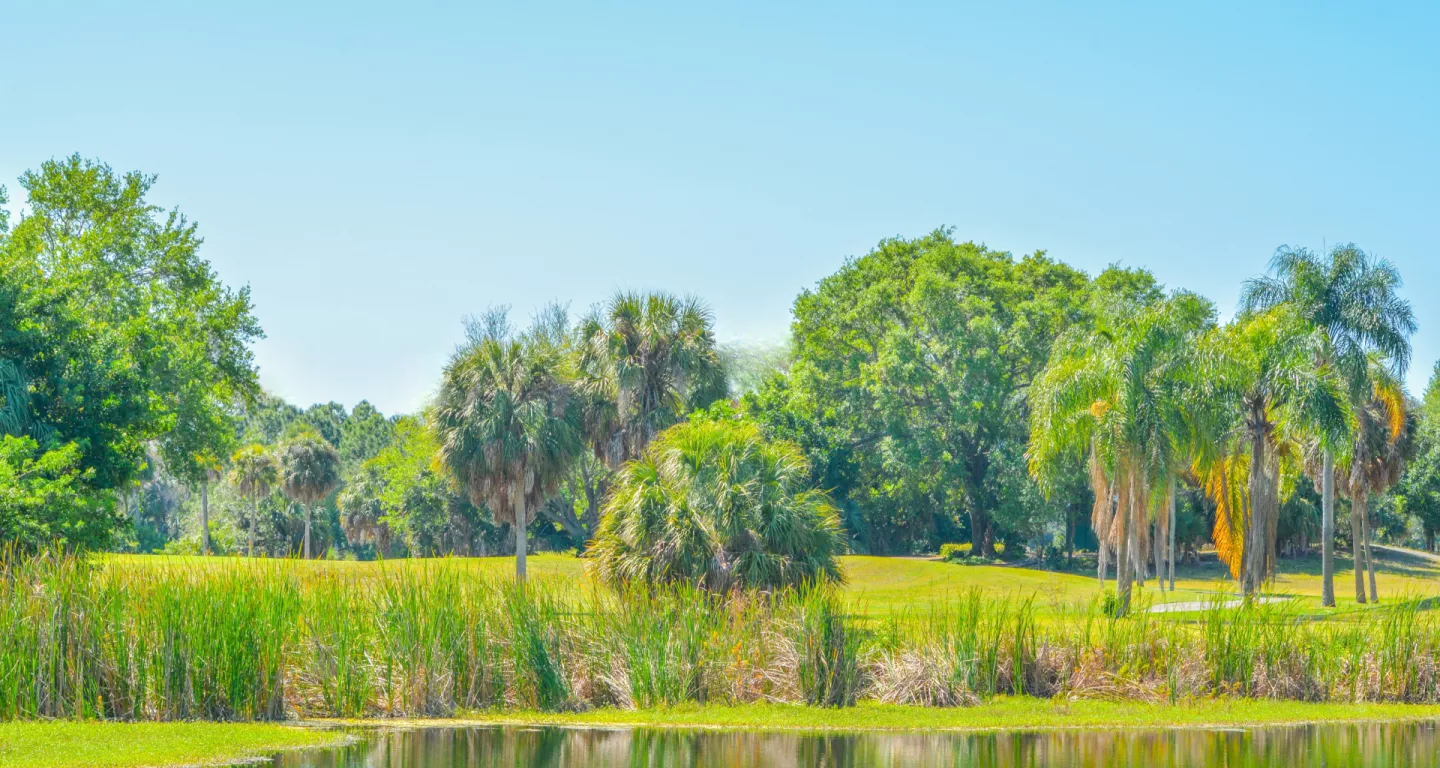
Just outside the bustle of Tampa’s city lights lies a surprising pocket of green—a community with deep
agricultural roots and a quietly growing homesteading movement. Pinellas Park, though known today
for its neighborhoods and small industries, was once envisioned as a model farming colony. The spirit
of those early settlers still lingers in the soil, and for modern-day homesteaders, it offers a refreshing
balance between suburban convenience and rural self-reliance.
“The earth is the Lord’s, and everything in it.” — Psalm 24:1
1. Where History Meets the Harvest
Long before Tampa’s skyline rose above the bay, this area was mostly wetlands and farmland.
Founded around 1911 by visionary F.A. Davis, Pinellas Park began as an experiment in sugar-cane
and vegetable cultivation. Early settlers dug drainage canals and turned swampy soil into fertile ground.
By 1914, Pinellas Park was incorporated, attracting newcomers seeking winter farms. Although
suburban growth later paved much of it, echoes of its farming heritage remain.
2. Tampa’s Suburban Soil: Can It Still Grow?
At first glance, Pinellas Park looks like any other Tampa suburb—quiet neighborhoods, auto shops,
strip plazas—but underneath lies the same sandy-loam foundation that once fed the region. Urban
farmers have begun reclaiming small parcels, building greenhouses, and planting high-value crops.
Even on a quarter-acre lot, a skilled grower can turn a backyard into a micro-farm.
3. The Greenhouse Revolution
For anyone with a green thumb and a business mind, controlled-environment agriculture is where
Tampa’s heat becomes an advantage. Greenhouses allow year-round production and protect crops
from storms and pests. Pinellas Park’s flat lots are perfect for modular greenhouses and aquaponics
systems, turning urban land into productive oases.
4. Crops That Thrive in Tampa’s Climate
Crop Type Examples Season Notes
Leafy Greens Lettuce, Kale, Spinach Fall–Spring Fast growth, ideal for hydroponics
Root Veggies Radish, Beet, Carrot Fall–Winter Shallow roots suit raised beds
Tropical Fruit Mango, Banana, Papaya Year-Round Perfect for small orchards
Herbs Basil, Oregano, Lemongrass All Seasons High profit per square foot
Perennials Bamboo, Moringa Year-Round Multi-use, low maintenance
5. Sustainable Systems and Water Wisdom
Homesteading in Tampa’s lowlands means working with water, not against it. Pinellas Park’s low
elevation makes rain capture essential: rain barrels, permeable paths, bioswales, and solar irrigation
systems keep gardens thriving year-round.
6. Homesteading Meets Community
Pinellas Park’s community spirit is strong. Farmers markets, art villages, and local festivals like 'Country
in the Park' connect growers, families, and small businesses. These gatherings turn farming into
fellowship and help preserve Tampa Bay’s green heritage.
7. Faith, Work, and the Homestead Ethic
Colossians 3:23 reminds us, 'Whatever you do, work heartily, as for the Lord.' Homesteading is an act
of faith—cultivating creation while serving others. Across Tampa, families and churches are reviving
urban lots into productive gardens, feeding bodies and souls alike.
8. Fun Ways to Start Small
Even a small Tampa backyard can become a productive micro-homestead. Start with container
gardening, backyard beekeeping, or composting. These simple acts build resilience and community.
Proverbs 12:11 says, 'Those who work their land will have abundant food.'
9. Pinellas Park by the Numbers
Stat Detail
Average Lot Size 0.23 acres
Median Home Value $251,900 (2023 est.)
Average Commute (Tampa) 23.4 minutes
Local Markets Nearby 6 within 10 miles
Growing Zone USDA 10a
Avg. Annual Rainfall 51 inches
10. Conclusion: The Garden in the City
Pinellas Park shows that agriculture can flourish within Tampa’s suburbs. Every raised bed and
compost pile adds to a network of sustainability. You don’t need to flee the city to live abundantly—the
most fruitful fields may be right outside your window.
1 Thessalonians 5:11 reminds us: 'Therefore
encourage one another and build one another up.'