How Much Is It to Dig Out a Pool?
From the first bite of the excavator bucket to the final grade — every dollar explained with the precision the decision deserves.
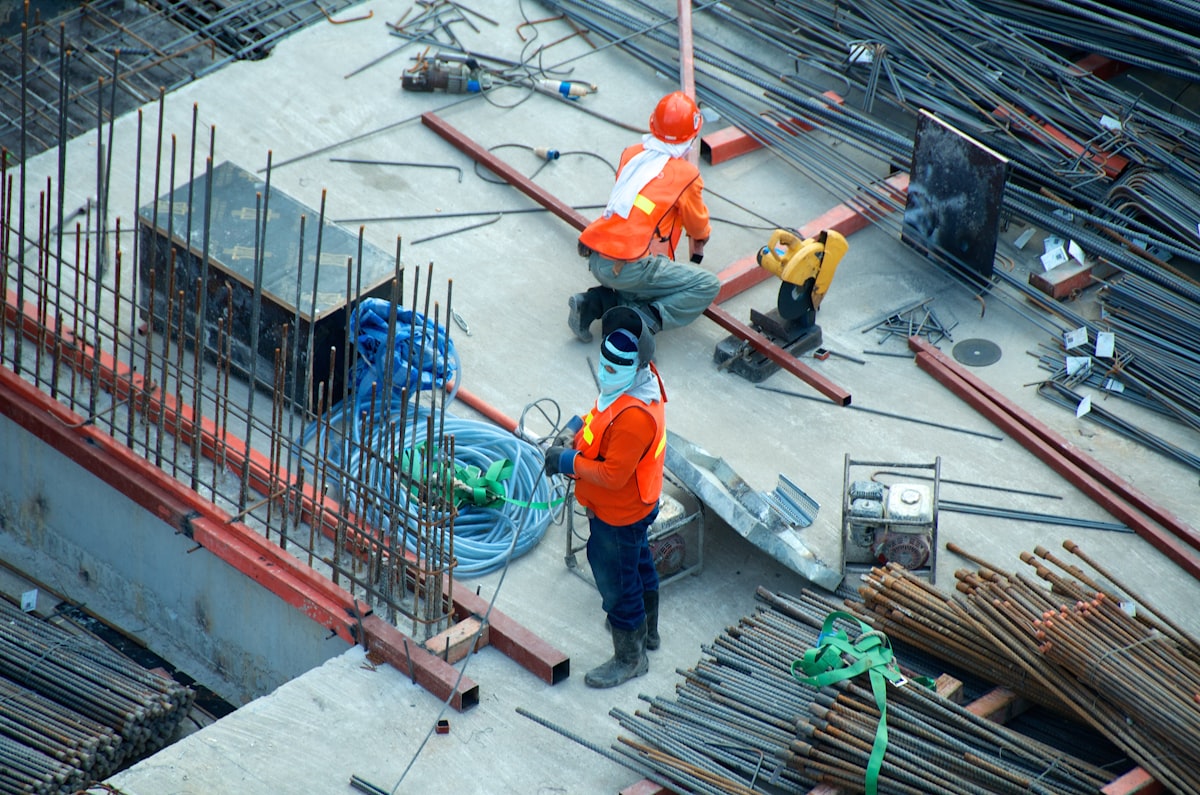
The phrase “dig out a pool” can mean one of two very different things depending on where you are in your ownership journey. For some homeowners, it means installing a pool — commissioning the excavation of a new inground swimming pool. For others, it means removing an existing pool through full-depth excavation and extraction. Both are major projects. Both deserve honest pricing conversations. Before diving into the excavation numbers specifically, you may also want to understand the full cost breakdown of swimming pool demolition — excavation is one piece of a larger financial picture.
Digging Out for Removal: What It Costs
When existing pool removal requires full excavation — meaning the entire shell is physically dug out and hauled away — the costs reflect the scope of that effort. This is the fullest, cleanest, most permanent option. The team at Pool Removal Orlando handles this kind of full-extraction work across Central Florida, where the sandy soil and high water tables create specific excavation considerations that affect both process and price.
These figures represent the total project — demolition labor, equipment operation, debris hauling, clean fill material, compaction, and surface grading. They do not typically include permit fees, landscaping restoration beyond basic grading, or utility disconnection, which add to the final bill. For a complete picture of every cost line including those often-overlooked extras, see our guide on the best way to get rid of an inground pool.
Knowing your exact cost before you start isn’t pessimism — it’s the clearest form of respect you can show to your own resources. The player who counts their pieces before making a sacrifice wins more often than the one who assumes they have enough.
The Six Factors That Move the Price
- Pool Dimensions: Length, width, and depth determine the cubic yards of material being excavated and removed. A 10×20 pool and a 20×40 pool are not remotely the same project — the larger one may hold four times the material and cost proportionately more to dig out.
- Construction Material: Concrete and gunite require hydraulic breakers and generate heavy, dense debris. Vinyl and fiberglass come apart faster and weigh less. In Florida markets like Tampa pool removal projects, gunite pools are particularly common — and particularly labor-intensive.
- Depth of the Shell: Shallow pools (3–5 ft) are far easier to excavate than those with 8-foot deep ends. Every additional foot of depth multiplies the fill material needed and the time required to compact it properly.
- Yard Access: A wide, open gate allows full-size excavators and dump trucks to reach the pool directly. Narrow access forces smaller equipment, more trips, and more labor hours — sometimes adding $1,000–$3,000 to the estimate.
- Soil Conditions: Rocky soil, high water tables, and unstable clay all complicate excavation. Florida’s sandy soil and occasional high water table — especially in South Florida near Miami pool removal projects — can require dewatering strategies that affect cost.
- Disposal and Dumping Distance: The further a contractor must haul debris to a licensed facility, the higher the trucking and tipping fees. Urban areas often have more disposal options; rural properties may pay premium dump rates.
Digging Out for Installation: New Pool Excavation Costs
If “digging out a pool” means starting fresh — putting a new inground pool in the ground — the excavation itself is just one line on a larger installation budget, but it’s a significant one.
| Pool Size | Excavation Cost Est. | Total Install Range | Notes |
|---|---|---|---|
| Small (10×20 ft) | $1,500–$3,500 | $25,000–$45,000 | Compact yards, modest depth |
| Medium (12×24 ft) | $2,500–$5,000 | $40,000–$70,000 | Most common residential size |
| Large (16×32 ft) | $4,000–$8,000 | $60,000–$100,000+ | Includes deeper excavation zones |
| Custom / Freeform | $5,000–$12,000+ | $80,000–$150,000+ | Irregular shapes require precision |
What Drives Up New Excavation Costs
Rocky terrain can triple excavation time and cost. High water tables require dewatering pumps and specialized drainage strategies. Clay soil is heavy and difficult to compact properly. An honest site assessment before any contract is signed is not optional — it’s the move that protects your budget from being blindsided. If instead you’re removing an existing pool rather than installing one, our step-by-step guide to how to get rid of your swimming pool maps out the entire process from start to finish.
The Grandmaster Move: Before accepting any excavation estimate, ask your contractor to walk the site with you and identify every variable they see. A contractor who spots the hard-to-see challenges before they become problems is worth more than one with a lower bid who discovers them mid-project. Whether you’re working with the crew at Pool Removal Orlando or comparing quotes across Florida, the best contractors play the whole game in their head before they move the first piece.
Soil Disposal: The Often-Overlooked Cost
Digging out a pool — whether for removal or installation — generates significant volumes of earth and debris. A standard 12×24-foot pool excavated to 5 feet of average depth displaces roughly 180–220 cubic yards of material. At local dump rates of $15–$40 per cubic yard, that’s $2,700–$8,800 in disposal alone before any labor is counted.
Many homeowners don’t realize they can offset this cost. If your excavated soil is clean, some landscaping companies will haul it away for free — or even pay a small fee — if they can use it on other projects. It’s worth asking your contractor about this option before assuming you’re paying full disposal rates on every load.
Permitting and Inspection: Non-Negotiable Line Items
Whether you’re digging a pool in or digging one out, permits are required by virtually every municipality in the country. For removal projects, permits typically cost $150–$500 and require a final inspection. For new installation, excavation permits may be bundled into the broader pool permit, which ranges from $500–$2,500 depending on your jurisdiction.
Skipping permits doesn’t save money — it creates liability. Unpermitted excavation work discovered during a future sale can force costly remediation that dwarfs the original permit cost. For a complete explanation of how permits fit into the pool removal process, our guide on getting rid of your swimming pool the right way covers every step.
The Sound-Mind Summary
Digging out a pool — for removal or installation — is a $5,000 to $25,000 decision on the excavation side alone. Full context requires knowing your pool’s dimensions and material, assessing your yard access, understanding your soil conditions, pulling your permits, and getting three contractor estimates that itemize every line separately.
The homeowner who walks into this process with full information walks out the other side with confidence. Florida homeowners can connect with the experienced team at Pool Removal Orlando — serving Tampa, Miami, and the greater Central Florida region — for a site assessment that takes all of these variables into account before any number is quoted.
Play it like the chess match it is: measure twice, dig once, and always know what the board looks like before you touch a piece.
